
Fleet management has become critical for businesses managing multiple vehicles. Whether you operate delivery fleets, field service teams, or transportation services, efficient vehicle management directly impacts profitability, safety, and customer satisfaction. Modern fleet management software enables organizations to track vehicles in real-time, monitor driver behavior, schedule maintenance, and optimize routes without expensive enterprise solutions.
Clappia's AI-powered no-code platform allows businesses to build customized fleet management applications tailored to specific operational needs. Companies can create mobile and web apps with GPS tracking, automated alerts, maintenance scheduling, and comprehensive reporting within hours, not months.
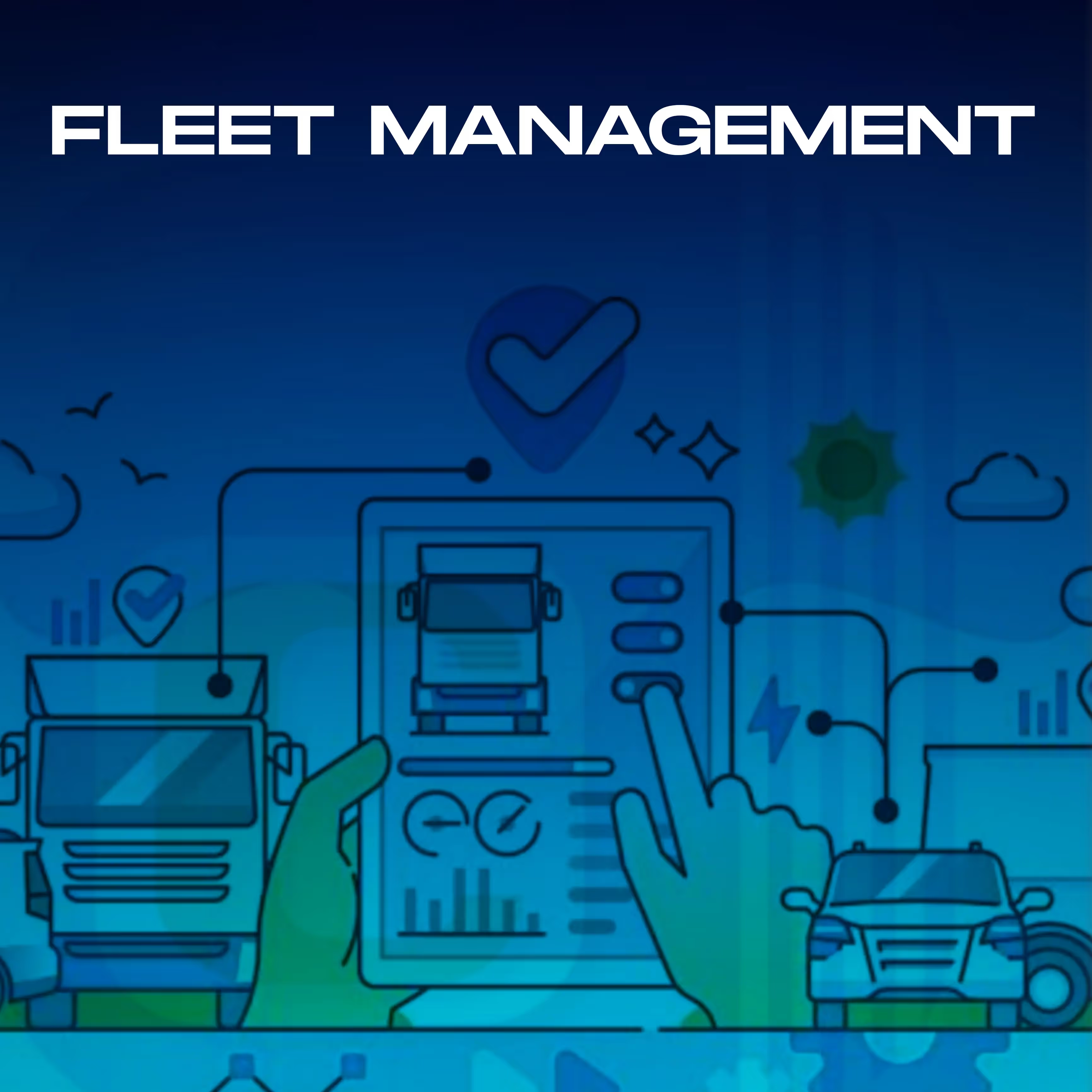
Fleet management encompasses coordinating, maintaining, and optimizing an organization's vehicle operations. This includes vehicle acquisition, driver management, fuel consumption tracking, and regulatory compliance. Effective systems provide real-time visibility into vehicle locations, driver performance, maintenance schedules, and operational costs.
Organizations managing three or more vehicles benefit from structured fleet management through strategic planning, operational efficiency monitoring, safety protocol enforcement, and cost reduction. Modern fleet management integrates telematics data, predictive maintenance, driver behavior analytics, and route optimization. These systems help businesses reduce fuel costs by 15-25%, improve vehicle utilization by 20-30%, and decrease maintenance expenses by 10-20%.

GPS location capture with geofencing provides instant visibility into vehicle locations and movement patterns. Managers track exact pickup and delivery times, calculate accurate ETAs, and identify routing inefficiencies. Live tracking features enable continuous monitoring with real-time map visualization, automatic distance calculation, and complete trip history for compliance verification.
Fleet systems monitor speeding, harsh braking, rapid acceleration, and aggressive cornering. Managers receive alerts for unsafe behaviors and implement targeted training programs. Safety features automatically document incidents with GPS coordinates and timestamps, supporting insurance claims and liability protection. Regular safety scoring identifies high-performing drivers and those requiring additional training.

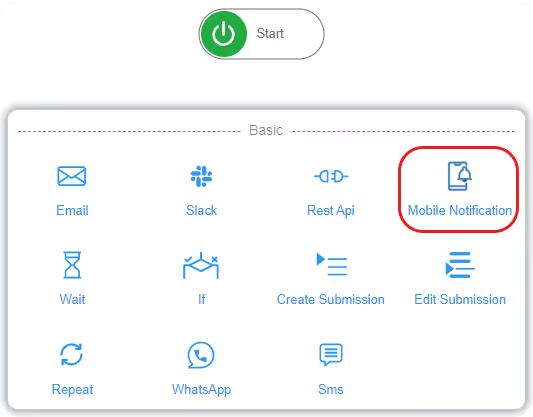
Preventive maintenance scheduling based on mileage and engine hours triggers automatic alerts. Maintenance tracking documents all repair history, parts replacements, and service costs per vehicle. Automated workflows notify drivers and maintenance teams when service becomes due, preventing missed maintenance that could lead to expensive repairs.
Systems track fuel purchases, calculate miles per gallon, and identify unusual consumption patterns. Integration with fuel card programs provides automated expense tracking. Analytics reveal which vehicles operate most efficiently and where route optimization could reduce fuel usage.
Automated compliance monitoring maintains digital records of Hours of Service (HOS) rules, vehicle inspections, and certification renewals. Electronic logging eliminates paper records and simplifies audits. Managers generate comprehensive compliance reports within minutes rather than days of manual record searching.
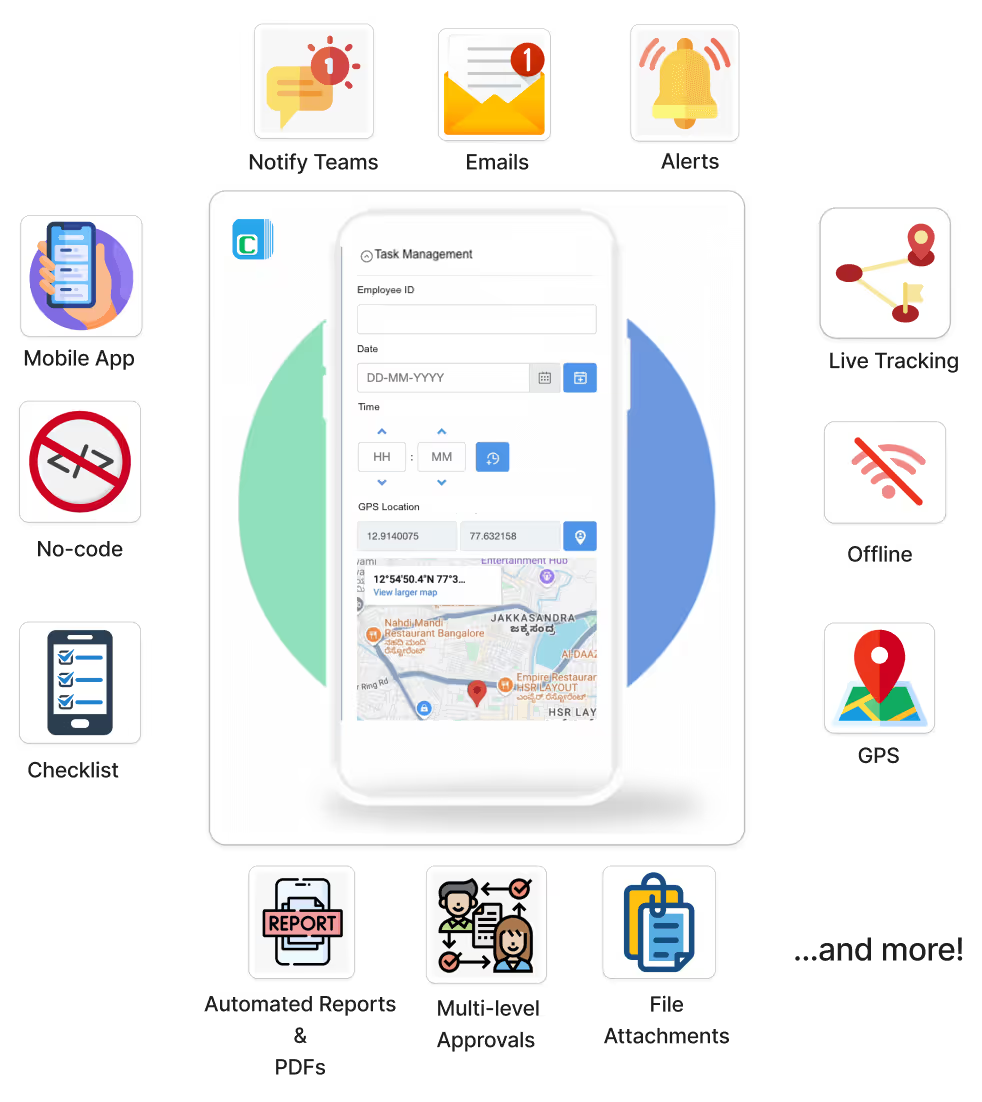
Clappia's no-code platform enables businesses to create customized fleet management applications matching specific operational requirements. Unlike generic software requiring process adaptation, Clappia allows complete workflow customization for unique vehicle types, service models, and compliance needs.
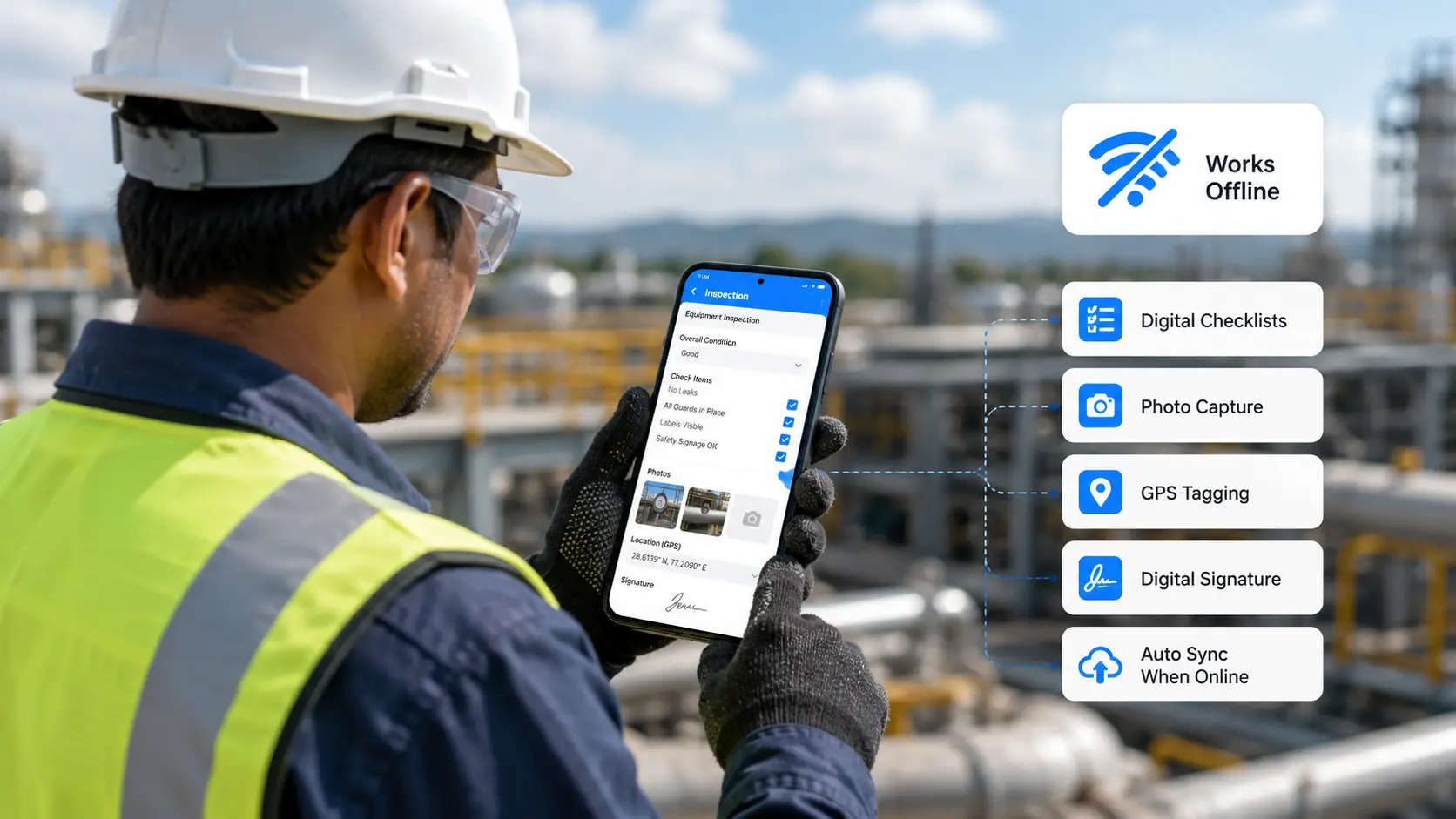
Mobile Data Collection: Field teams capture vehicle inspection data, delivery confirmations, and maintenance issues using mobile devices. Photo documentation with automatic GPS tagging provides visual verification.
GPS and Geofencing: Every submission records precise GPS coordinates and addresses. Geofencing restricts data collection to designated areas, ensuring drivers complete tasks at correct locations.
Digital Signatures: Collect electronic signatures from drivers, customers, and technicians for delivery confirmation and service completion verification.
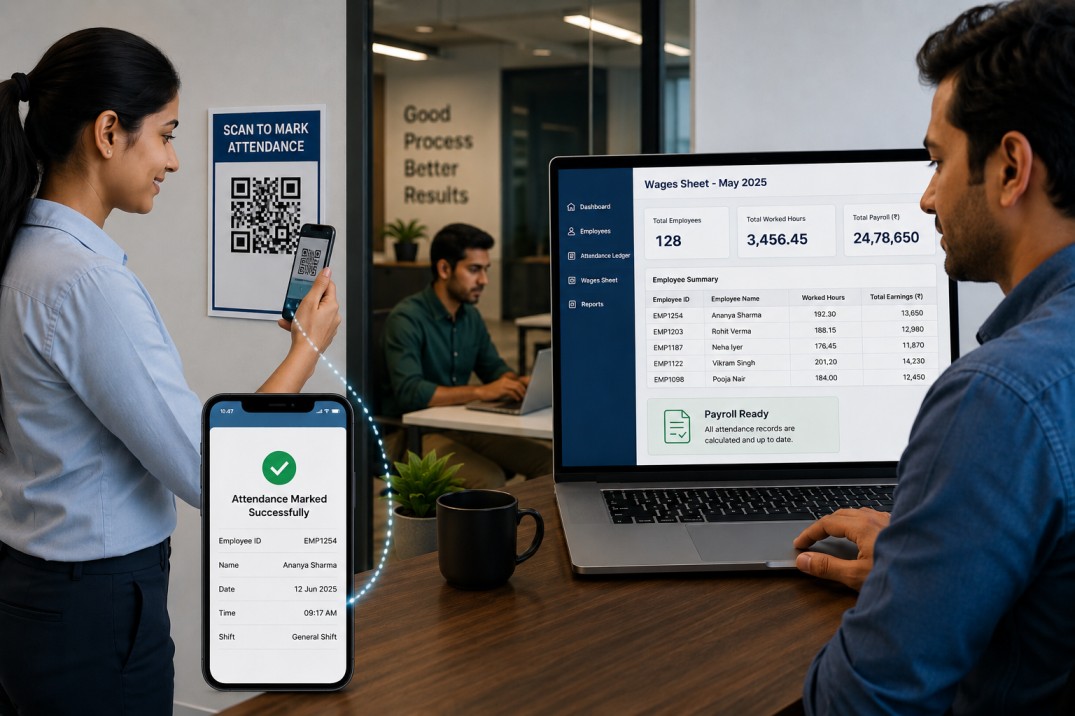
QR Code Scanning: Quick vehicle identification, equipment tracking, and inventory management through barcode scanning.
Offline Functionality: Data collection continues without cellular coverage. Information automatically syncs when devices return to network coverage.
Workflow Automation: Automated email alerts, SMS messages, WhatsApp notifications for maintenance due dates, compliance deadlines, and safety incidents.
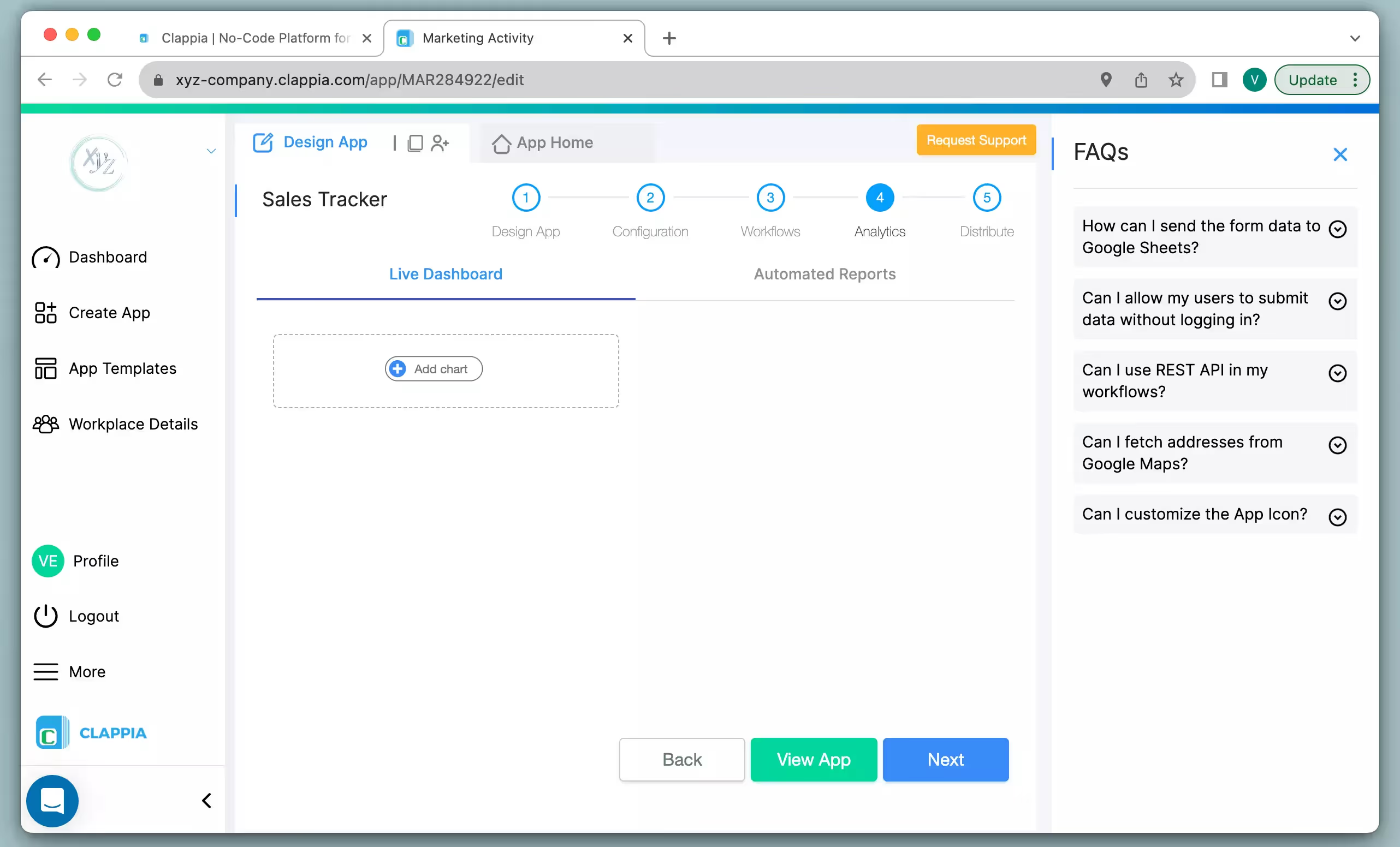
Real-Time Dashboards: Visualize vehicle utilization rates, fuel consumption trends, maintenance costs, and safety statistics.
Dynamic PDF Reports: Automated vehicle inspection reports, maintenance work orders, and delivery receipts with company branding.
Database Connectivity: Connect to MySQL, PostgreSQL, and SQL Server for real-time data synchronization with enterprise systems.
REST API: Integration with fuel card systems, GPS tracking devices, and accounting software through bi-directional data flow.
Google Sheets: Simple reporting and data sharing through familiar spreadsheet tools.
Microsoft Office 365: Calendar synchronization for maintenance scheduling and SharePoint document storage.
Logistics tracking applications capture package scans, enable customer signature collection, and document delivery exceptions with photos. Real-time tracking provides accurate delivery windows while dispatchers monitor all active deliveries and respond to delays proactively.
Technicians view assigned jobs, access equipment history, record labor hours and parts used, and capture before/after photos. GPS verification confirms arrival at correct job sites. Automated workflows generate service completion reports emailed to customers immediately.
Companies track heavy equipment across multiple job sites with GPS-verified check-in/check-out procedures. Maintenance schedules based on operating hours ensure equipment reliability while photo documentation during inspections identifies damage requiring repair.
Drivers scan bills of lading at pickup and delivery, update shipment status at transfer points, and document cargo conditions. Electronic logging device (ELD) integration captures Hours of Service data automatically, ensuring DOT compliance.
Cost Reduction: Route optimization reduces fuel consumption 10-15%. Preventive maintenance prevents expensive emergency repairs. Driver behavior monitoring reduces accidents, lowering insurance premiums.
Operational Efficiency: Real-time visibility enables proactive decision-making. Automated workflows reduce manual coordination effort. Report generation happens automatically rather than requiring staff compilation.
Safety Improvements: Systematic monitoring reduces accident rates. Driver coaching based on metrics demonstrates measurable improvement. Regular inspections ensure mechanical issues get addressed promptly.
Data-Driven Decisions: Comprehensive data identifies underutilized vehicles, high-performing drivers, and total cost of ownership for different vehicle types. Trend analysis reveals gradual efficiency decline indicating emerging problems.
Traditional fleet software forces businesses to adapt processes to software constraints. Custom development requires expensive programmers and lengthy timelines. No-code platforms eliminate these barriers. Business users create applications matching exact workflows without programming knowledge. Development shrinks from months to days.
Cost advantages prove substantial at 70-90% less than custom development. Businesses avoid expensive annual licensing fees from enterprise vendors. Unlimited app creation within a single subscription enables separate applications for different vehicle types without incremental costs.
Platform flexibility supports evolving needs. Organizations start with basic tracking and progressively add maintenance scheduling, compliance monitoring, or advanced analytics. Workflow modifications happen immediately when processes change.
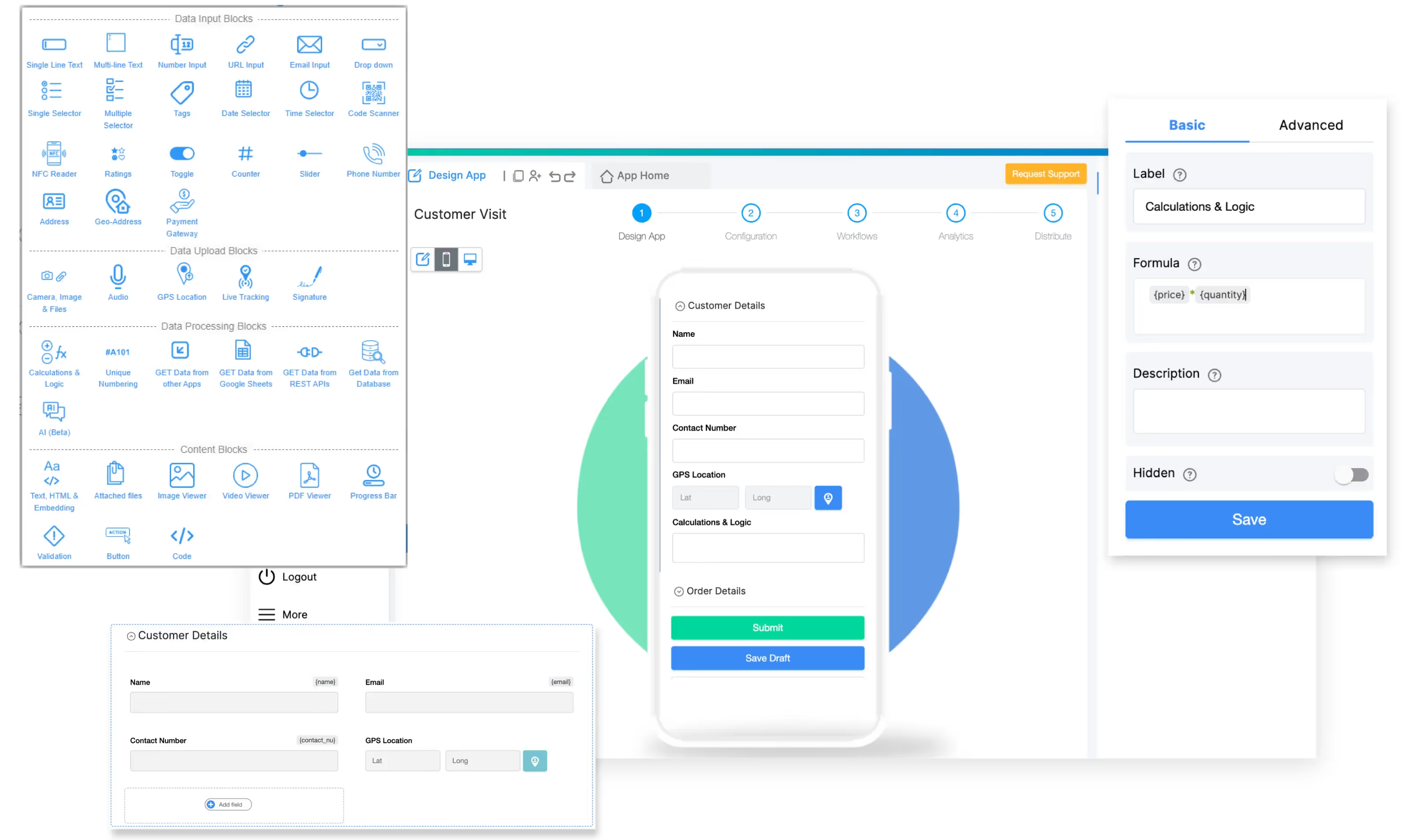
Building fleet management apps in Clappia requires identifying core data requirements including vehicle information, driver details, and tracking needs. App building uses drag-and-drop blocks for GPS tracking, photo capture, date selectors, number inputs, and dropdown menus.
Workflow automation adds intelligence through automatic notifications for maintenance due dates, inspection reminders, or route deviations. Approval workflows enable maintenance authorization and expense approval chains.
Mobile apps work across Android and iOS with offline functionality. Web access provides managers with desktop dashboards. White-labeled mobile apps create professional branded experiences for larger deployments. Integration setup connects with existing business systems through API connections and database synchronization.
L374, 1st Floor, 5th Main Rd, Sector 6, HSR Layout, Bengaluru, Karnataka 560102, India
3500 S DuPont Hwy, Dover,
Kent 19901, Delaware, USA


.svg)



3500 S DuPont Hwy, Dover,
Kent 19901, Delaware, USA
L374, 1st Floor, 5th Main Rd, Sector 6, HSR Layout, Bengaluru, Karnataka 560102, India