


Manufacturing operations require precise inventory control to prevent production delays from stockouts while minimizing capital tied up in excess stock. Manual reorder processes—checking stock levels, calculating reorder quantities, creating purchase orders—consume hours weekly, introduce errors, and cause costly production disruptions.
Build custom automated reorder systems for manufacturing with Clappia's AI-powered no-code platform. Create intelligent inventory apps tracking real-time stock levels, triggering automatic alerts at reorder points, generating purchase orders instantly, notifying suppliers, and integrating with ERP systems.
Inventory management apps track stock levels in real-time across raw materials, components, WIP, and finished goods. Every transaction updates stock counts instantly. Barcode scanning enables rapid updates—scan incoming materials, production consumption, shipping. Mobile apps with offline capability allow updates anywhere, syncing automatically.
Track inventory across multiple locations, production facilities, storage zones. Monitor stock by SKU, lot number, batch code, or serial number for complete traceability.
Manufacturing Benefit: Production planners see exact material availability before releasing work orders. Purchasing teams know precise stock levels. Finance teams maintain accurate inventory valuations.

Formula-based calculations monitor inventory against configurable reorder points, automatically triggering alerts when stock falls below thresholds. Set reorder points based on lead times, consumption rates, safety stock, and production schedules. Conditional workflows escalate alerts—routine reorders notify purchasing, critical shortages alert managers, zero stock triggers emergency procurement.
Manufacturing Impact: Production continues uninterrupted. No emergency orders at premium pricing from unexpected stockouts.
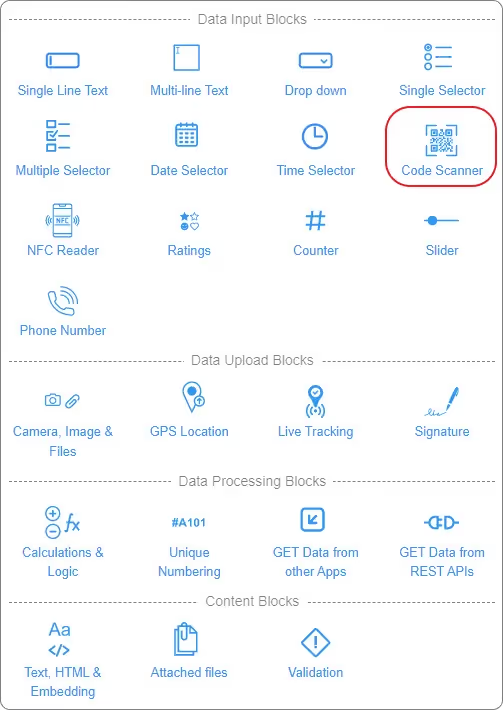
Automated workflows generate purchase orders instantly when inventory hits reorder points. Calculate optimal quantities using EOQ formulas or supplier MOQs. Dynamic PDF generation creates formatted POs with branding. Unique ID generation creates sequential PO numbers (PO-2025-001). QR code and barcode generation embed tracking codes for mobile scanning.
Approval workflows route POs through customizable authorization chains based on order value, material category, or department.
Manufacturing Benefit: Materials order automatically. Sequential PO numbers with QR/barcode tracking streamline receiving and audit documentation.

AI blocks extract data automatically from supplier invoices, delivery notes using OpenAI, Claude, or Gemini. Upload photos of delivery paperwork—AI reads supplier names, material descriptions, quantities, prices. Auto-populate receiving forms eliminating manual data entry. Intelligent image analysis identifies material quality issues: damaged packaging, incorrect labeling, quantity discrepancies.
Manufacturing Impact: Receiving staff photograph documents—AI extracts data automatically. Quality issues identified instantly through image analysis trigger corrective actions.

Email automation sends purchase orders to suppliers instantly. SMS notifications alert suppliers of urgent orders. WhatsApp workflows send automated notifications via WhatsApp Business API. Suppliers receive POs, delivery reminders, expedite requests directly. Template-based messages with PDF attachments.
REST API integration connects with supplier portals, EDI systems for electronic order transmission and tracking.
Manufacturing Impact: Suppliers receive orders via preferred channels instantly. Faster response times. Real-time delivery updates improve production planning.
Database connectivity synchronizes with ERP systems (SAP, Oracle, Dynamics), MES platforms. Pull production schedules to forecast material needs. Update ERP inventory automatically. MRP workflows calculate future material needs from planned work orders, BOMs, generate automated reorder recommendations aligned with production.
Manufacturing Impact: Reorder decisions align with production schedules. Materials arrive when production needs them, optimizing working capital.
Google Sheets integration maintains supplier master data, pricing catalogs, lead times in collaborative spreadsheets. Pull supplier information automatically: approved vendors, contact details, payment terms, certifications. Bidirectional sync updates sheets with reorder transactions: PO history, delivery performance, quality rates, spend analysis.
Manufacturing Impact: Maintain supplier data in easy-to-use Google Sheets. Procurement teams collaborate while automated systems use same data.
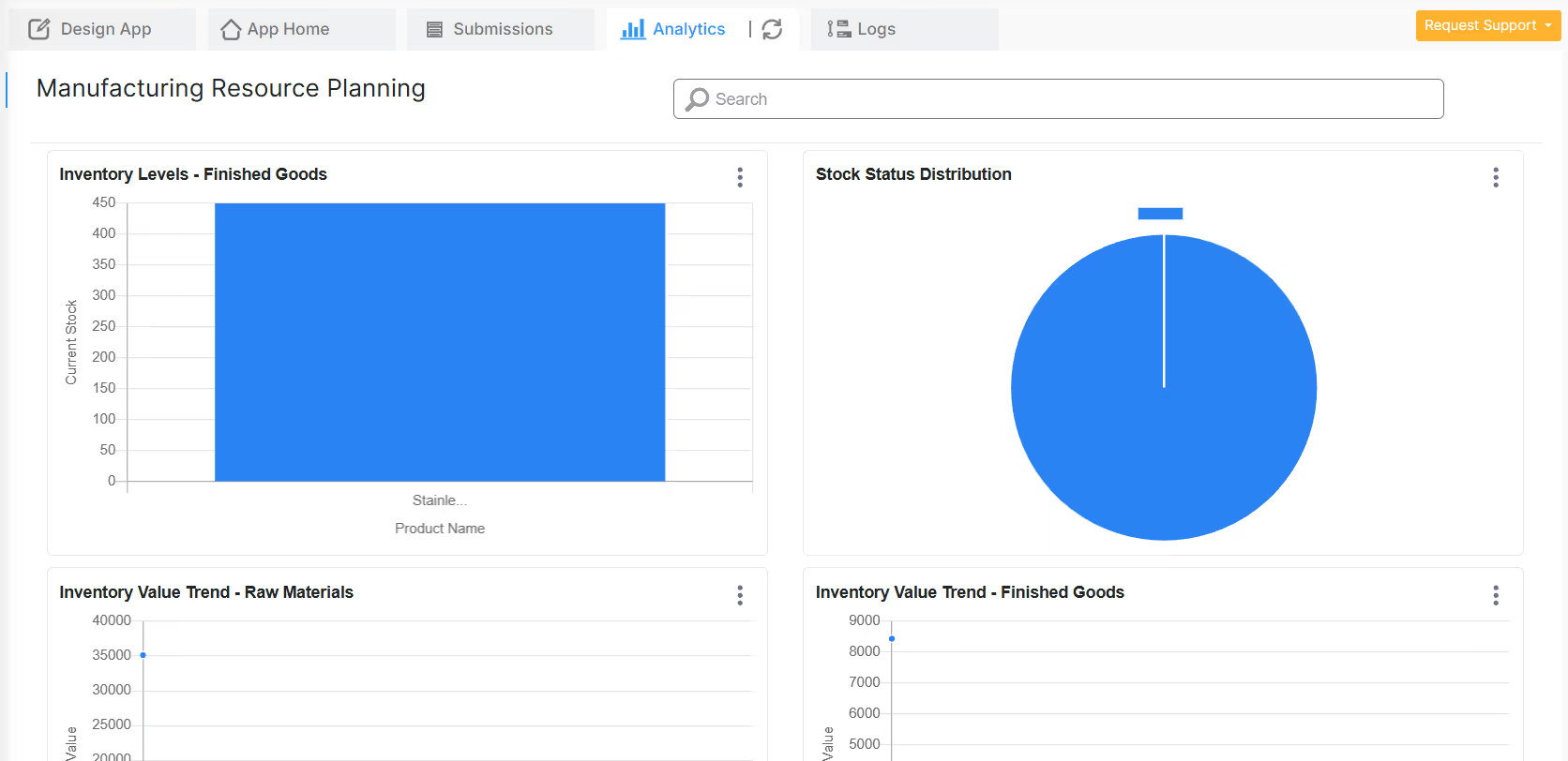
Real-time analytics visualize inventory health and reorder performance. Bar graphs compare actual vs. optimal stock levels. Monitor metrics: days on hand, turnover rates, carrying costs, reorder frequency. Identify slow-moving inventory and frequent emergency orders. Automated reports email weekly summaries, monthly analyses, quarterly supplier scorecards.
Manufacturing Impact: Data-driven optimization reduces working capital while preventing stockouts. Executive dashboards provide strategic insights.
Mobile apps enable inventory management from smartphones/tablets. Scan deliveries, verify quantities, photograph damaged shipments. Offline mode for areas with poor connectivity—transactions sync when reconnected. Cycle counting on mobile maintains inventory accuracy without disruptive physical inventories.
Manufacturing Impact: Real-time updates from point of transaction. Accurate data ensures reorder alerts trigger correctly.
Bulk upload imports thousands of materials, reorder points, supplier assignments from Excel/CSV files. Upload complete inventory master data during initial setup. Update reorder parameters in bulk: seasonal adjustments, supplier changes, safety stock increases. Export data, modify in Excel, re-upload for mass updates.
Manufacturing Impact: Deploy automated reorder systems for thousands of materials rapidly. Bulk updates enable quick response to changing requirements.

Validation rules enforce manufacturing-specific logic: minimum order quantities, standard package sizes, budget checks, approved supplier verification. Configure two-bin kanban, min-max policies, demand-driven reordering. ABC classification applies different strategies per material value.
Tags block enables flexible material categorization: critical vs. non-critical, imported vs. domestic, hazardous vs. standard. Filter reorder alerts, reports by tags. Tag-based workflows apply different rules automatically.
Manufacturing Impact: Reorder automation adapts to existing processes. Flexible tagging organizes thousands of materials efficiently.
JavaScript code blocks enable advanced reorder logic: complex demand forecasting algorithms, multi-echelon optimization, weighted supplier selection criteria, custom integration with proprietary systems. Execute seasonal forecasting, promotional impact analysis, production simulations, lead time variability calculations.
Manufacturing Impact: Accommodate unique requirements impossible with standard formulas. Implement sophisticated optimization algorithms matching specific production environments.
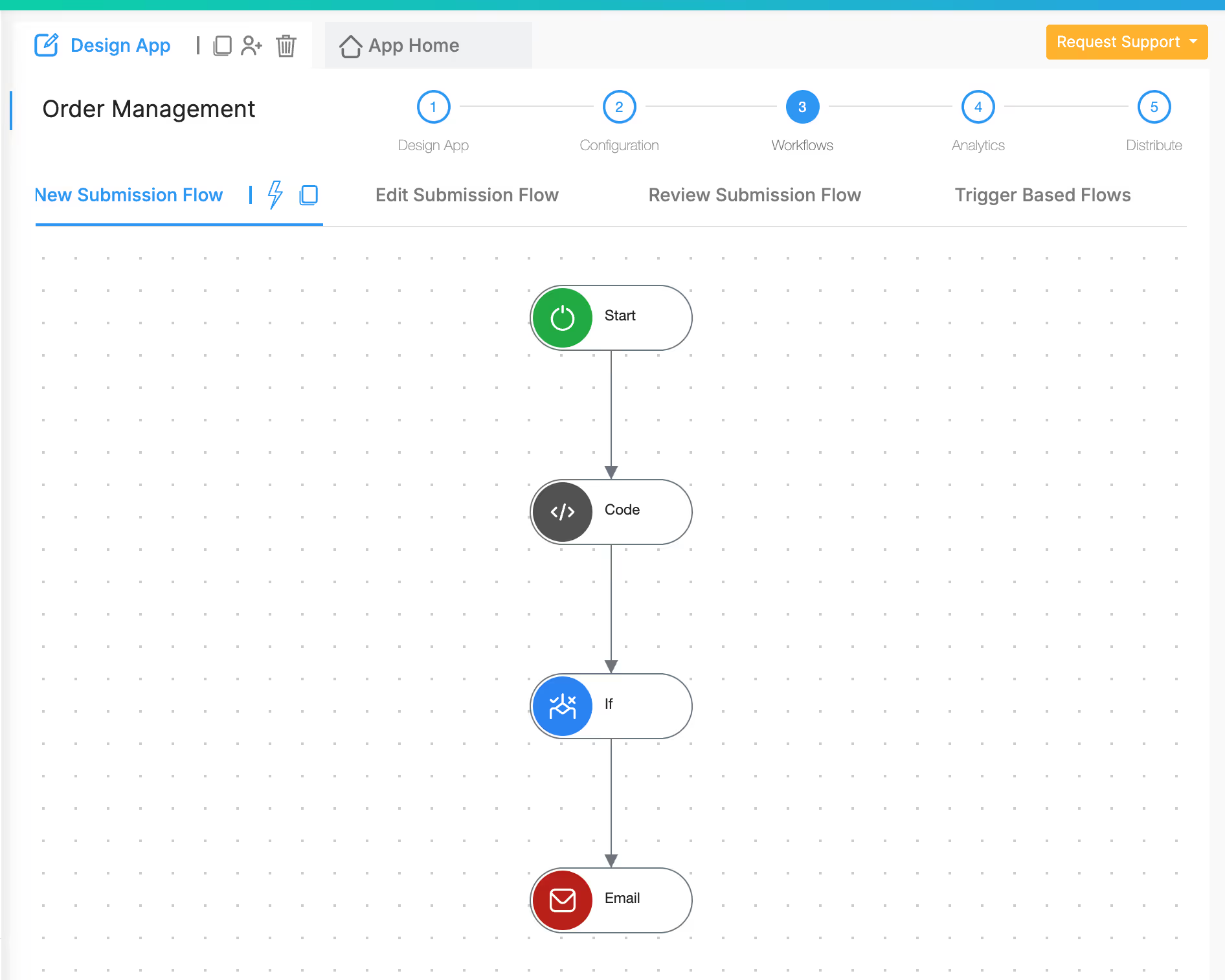
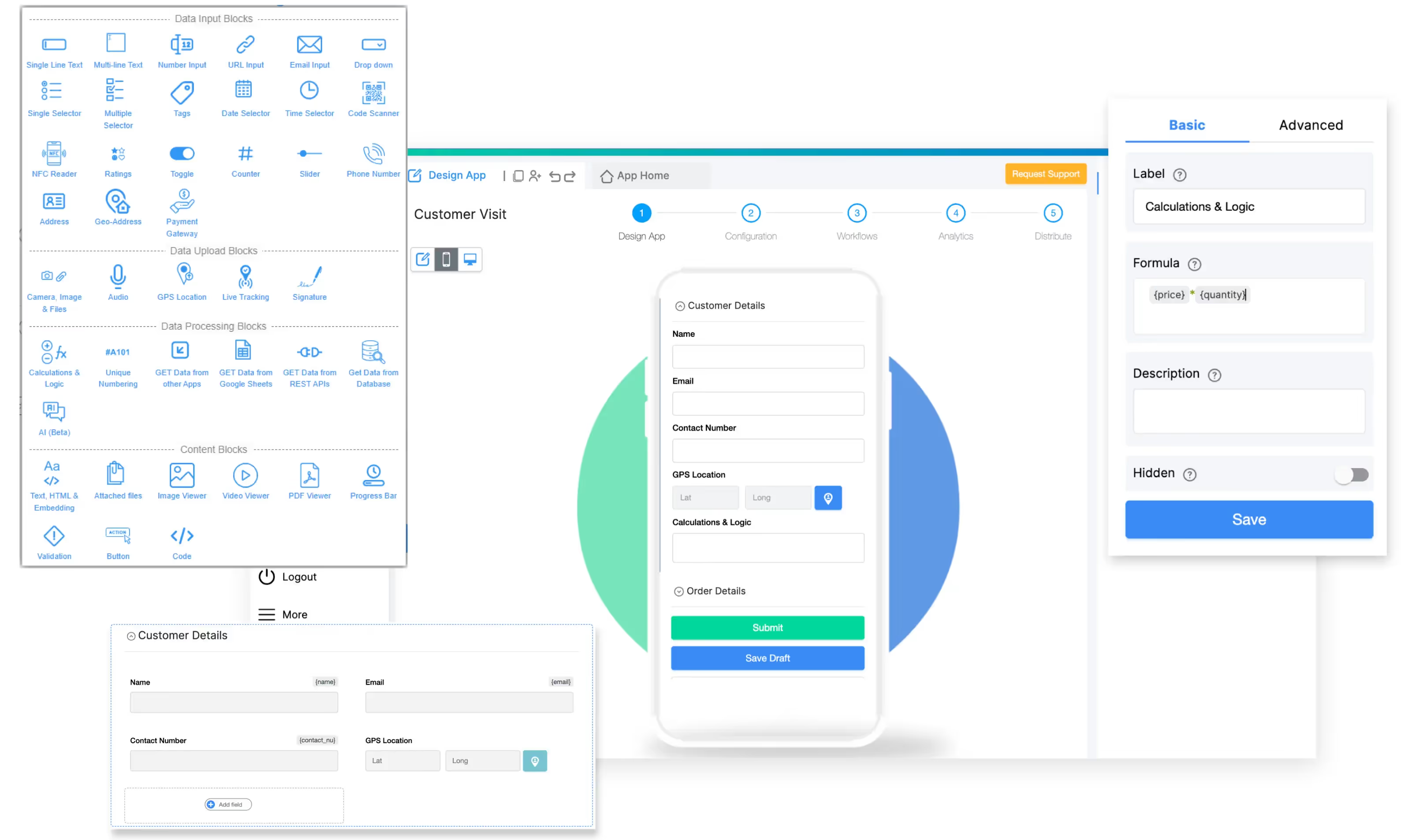
Build automated reorder systems without programming using drag-and-drop design. Formula blocks calculate reorder quantities. Conditional sections show different fields based on material type. Workflow automation connects multiple steps: inventory monitoring → reorder alert → PO generation → approval → supplier notification → receiving → inventory update.
Manufacturing Benefit: Rapid deployment—build functional apps in days. Business users control modifications without IT backlog delays.
Automated reorder systems continuously monitor inventory in real-time, comparing stock against configured reorder points accounting for lead times, consumption rates, and safety stock. When inventory falls below thresholds, workflows instantly trigger alerts and automatically generate purchase orders. This prevents stockouts by ensuring materials order before stock depletes. Clappia's automated alerts, purchase order workflows, and supplier notifications ensure timely replenishment preventing production interruptions.
Yes, Clappia's database workflows and REST API integration connect with ERP systems like SAP, Oracle, Microsoft Dynamics. Synchronize inventory balances bidirectionally—pull current stock levels from ERP, push purchase order data back into ERP procurement modules. Query production schedules from MES systems to forecast material needs. Integration ensures reorder decisions align with production requirements and maintains single source of truth.
Reorder points calculate using formula: (Average Daily Consumption × Lead Time) + Safety Stock. Clappia's formula blocks automate calculations using historical consumption data and supplier lead times. Adjust safety stock based on consumption variability and production criticality. Formula-driven reorder points dynamically update as patterns change, keeping parameters optimized for current manufacturing conditions.
Yes, inventory management apps track stock across multiple warehouses, production facilities, storage locations. Set location-specific reorder points accounting for local consumption rates. Configure rules determining which warehouse receives replenishment shipments. Multi-location visibility ensures materials available where production needs them while preventing excess stock accumulation.
Mobile apps with barcode scanning enable real-time updates at point of transaction—receiving, production consumption, shipping. Accurate real-time data ensures reorder alerts trigger at correct times based on actual inventory levels. Offline capability allows transactions in areas without connectivity. Mobile cycle counting maintains inventory accuracy through continuous verification.
AI blocks extract data automatically from supplier invoices and delivery documents using OpenAI, Claude, or Gemini models. Upload photos of paperwork—AI reads all details eliminating manual data entry. Intelligent image analysis identifies quality issues from delivery photos: damaged packaging, incorrect labeling, quantity discrepancies. AI-powered automation accelerates receiving processes while improving accuracy.
Clappia's no-code platform enables rapid implementation—build functional automated reorder apps in days using drag-and-drop design. Unlike traditional ERP customization requiring months, business users configure reorder rules, approval workflows, supplier integrations directly. Start with pilot materials or single warehouse, validate processes, then scale. Bulk upload enables rapid deployment for thousands of materials from Excel/CSV files. Iterative implementation reduces risk while delivering immediate value.
Build Smart Automated Reorder Systems for Manufacturing
Eliminate manual inventory monitoring, prevent costly stockouts, reduce excess inventory carrying costs. Create intelligent reorder automation with real-time tracking, automated purchase orders, supplier integration, and ERP connectivity.



L374, 1st Floor, 5th Main Rd, Sector 6, HSR Layout, Bengaluru, Karnataka 560102, India
3500 S DuPont Hwy, Dover,
Kent 19901, Delaware, USA


.svg)




3500 S DuPont Hwy, Dover,
Kent 19901, Delaware, USA
L374, 1st Floor, 5th Main Rd, Sector 6, HSR Layout, Bengaluru, Karnataka 560102, India
