


Manufacturing operations demand precision, speed, and adaptability. As production environments grow more complex with multiple resources—from raw materials and equipment to workforce and facilities—the need for efficient resource planning software becomes critical. Traditional spreadsheets and manual tracking methods simply cannot keep pace with the dynamic requirements of modern manufacturing.
Resource planning software designed for manufacturing enables businesses to optimize every aspect of their operations. From tracking inventory levels and scheduling production runs to managing equipment utilization and workforce allocation, the right platform transforms how manufacturers operate. Clappia delivers a no-code solution that empowers manufacturing teams to build custom resource planning applications tailored to their specific operational needs.
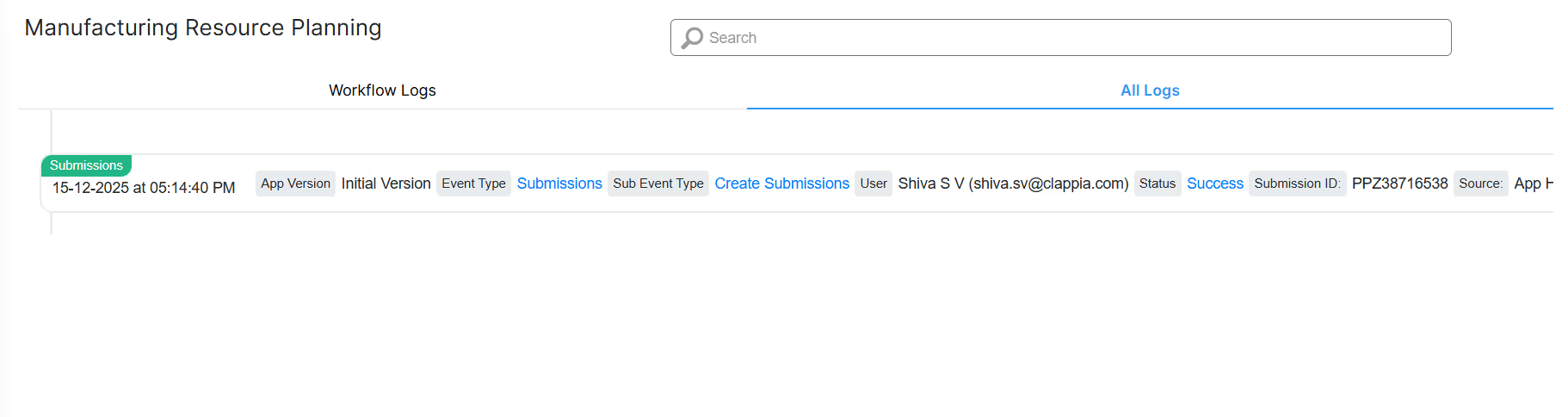
Resource planning in manufacturing encompasses the systematic allocation and management of all assets required for production. This includes physical resources like raw materials, components, machinery, and equipment, as well as human resources such as skilled operators, technicians, and supervisors. Effective planning also considers facilities, time, and budgets as critical resources that must be optimized.
The complexity of manufacturing operations requires software that can handle multiple variables simultaneously. Production schedules must align with material availability, equipment must be maintained without disrupting workflows, and workforce skills need to match task requirements. When resources are poorly planned, manufacturers face production delays, inventory shortages, equipment downtime, and increased operational costs.
Modern manufacturing resource planning extends beyond simple scheduling. It integrates with quality control processes, tracks compliance requirements, manages supplier relationships, and provides real-time visibility into shop floor operations. The software becomes a central hub where all production data converges, enabling informed decision-making and proactive problem-solving.
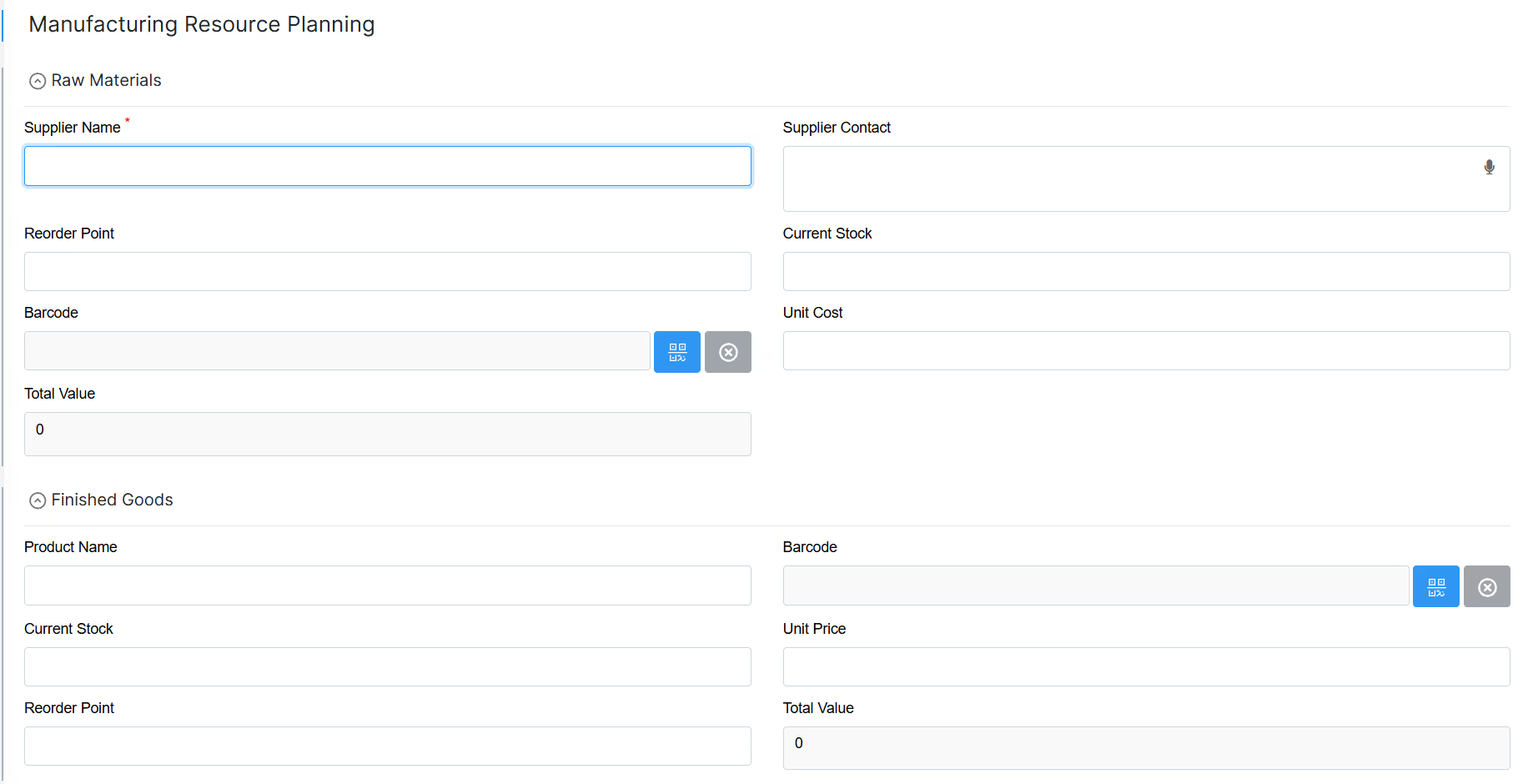
Efficient resource planning software for manufacturing must deliver comprehensive capabilities that address the full spectrum of operational needs. Inventory management forms the foundation, allowing manufacturers to track raw materials, work-in-progress, and finished goods in real-time. Automated alerts prevent stockouts while avoiding excess inventory that ties up capital.
Production scheduling capabilities enable planners to create optimized timelines that balance customer deadlines with resource availability. The system considers machine capacity, maintenance schedules, workforce shifts, and material lead times to generate realistic production plans. When disruptions occur—whether equipment breakdowns or supply delays—the software facilitates rapid replanning to minimize impact.
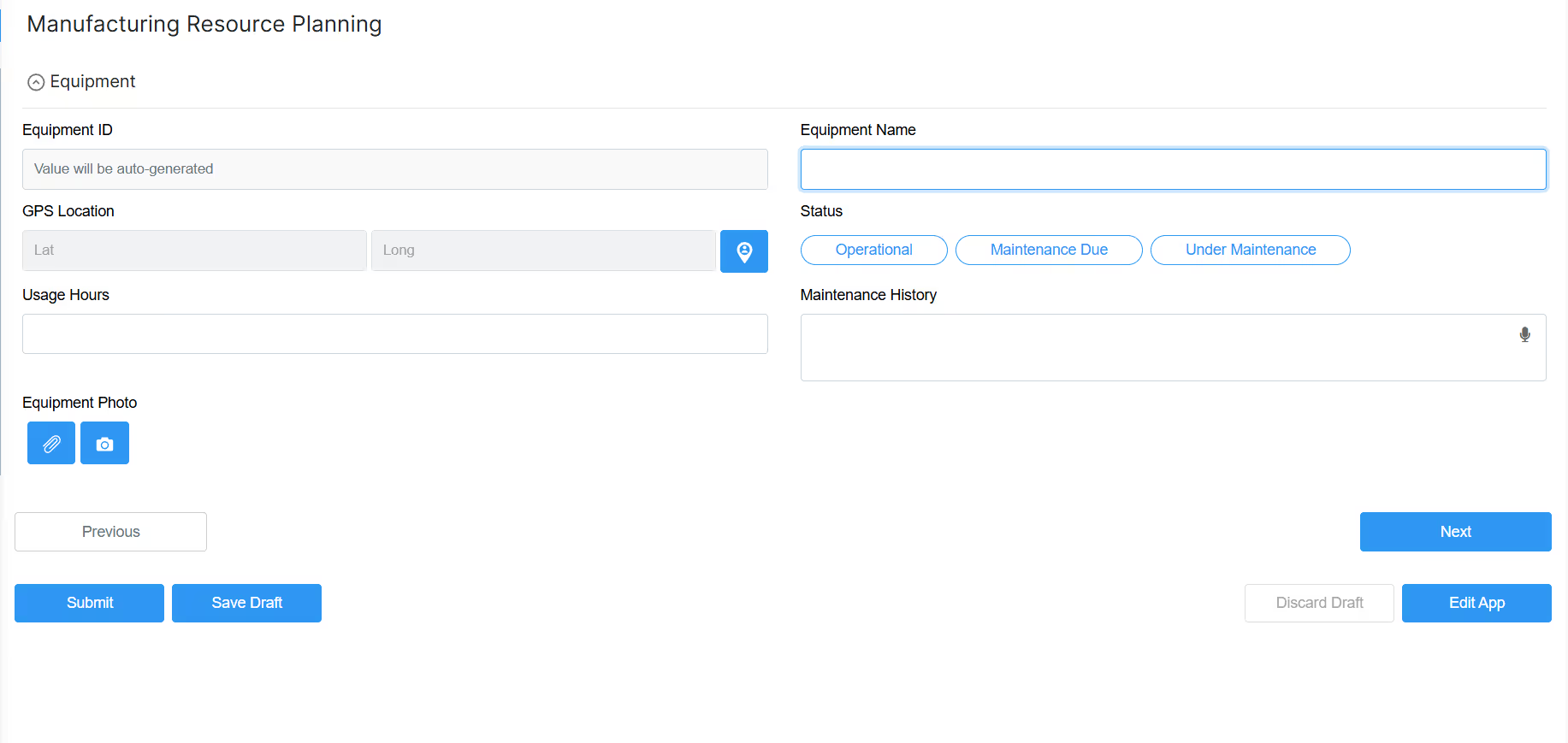
Equipment and asset management ensures machinery operates at peak efficiency. Maintenance scheduling prevents unexpected breakdowns, while utilization tracking identifies underperforming assets. Manufacturers gain insights into total cost of ownership and can make data-driven decisions about equipment investments.
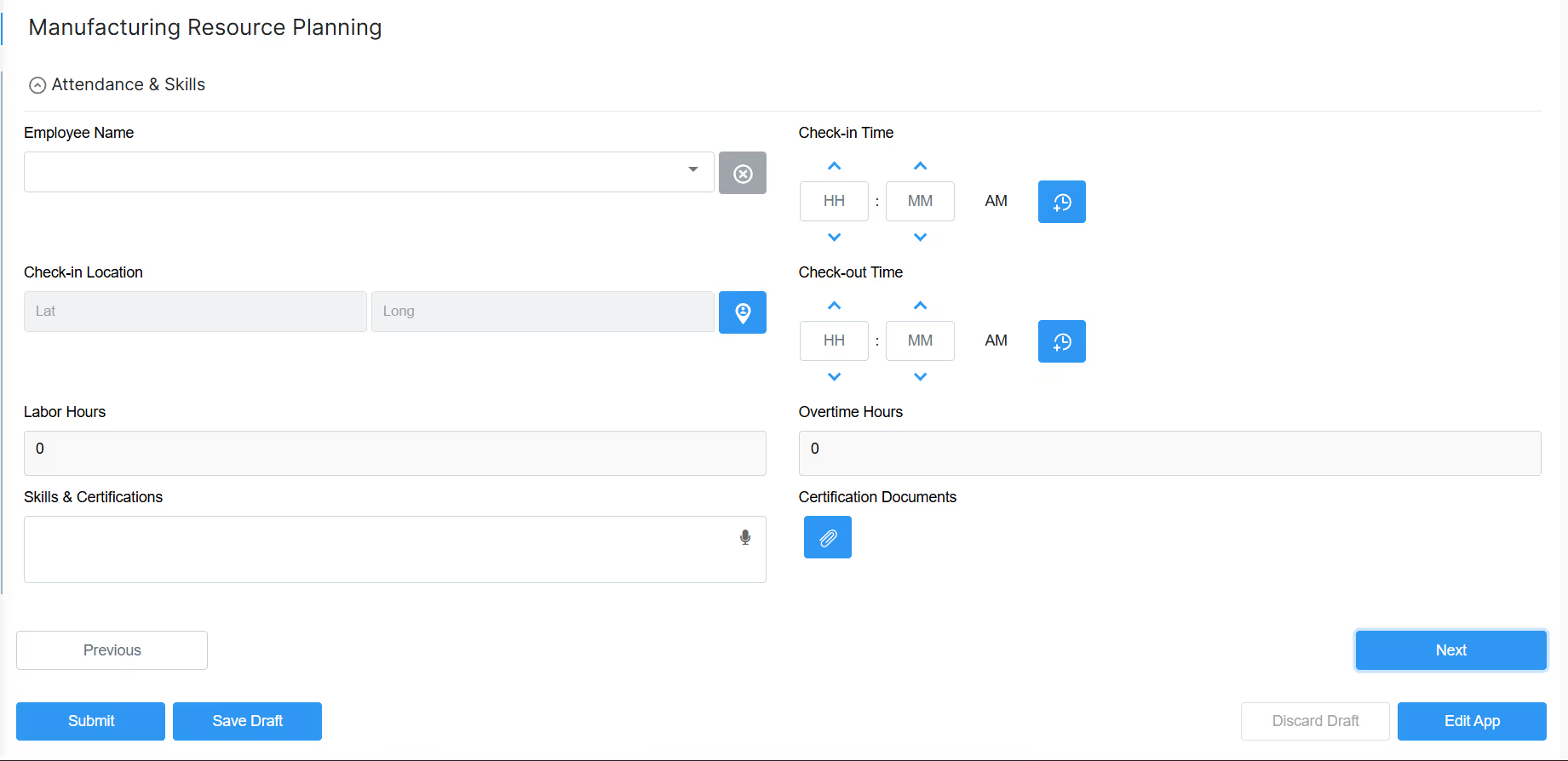
Workforce resource planning aligns labor availability with production demands. The system tracks employee skills, certifications, and shift preferences, automatically assigning workers to tasks where they deliver maximum value. Attendance tracking with GPS verification ensures accurate workforce data, particularly important for manufacturing facilities with multiple shifts.
Traditional enterprise resource planning systems often require extensive customization, lengthy implementation timelines, and significant IT resources. Clappia's no-code platform revolutionizes this approach by enabling manufacturing teams to design and deploy custom applications without writing a single line of code.
The platform provides pre-built blocks that address common manufacturing needs. QR code and barcode scanners enable rapid inventory tracking and asset identification. Camera uploads document quality inspections and equipment conditions. GPS location capture verifies delivery locations and tracks field service activities.
Formula blocks perform automatic calculations for production quantities, material requirements, and cost analysis. These Excel-like formulas enable complex logic without programming, allowing production planners to embed their domain expertise directly into applications. Calculations update in real-time as data changes, providing instant visibility into resource implications.
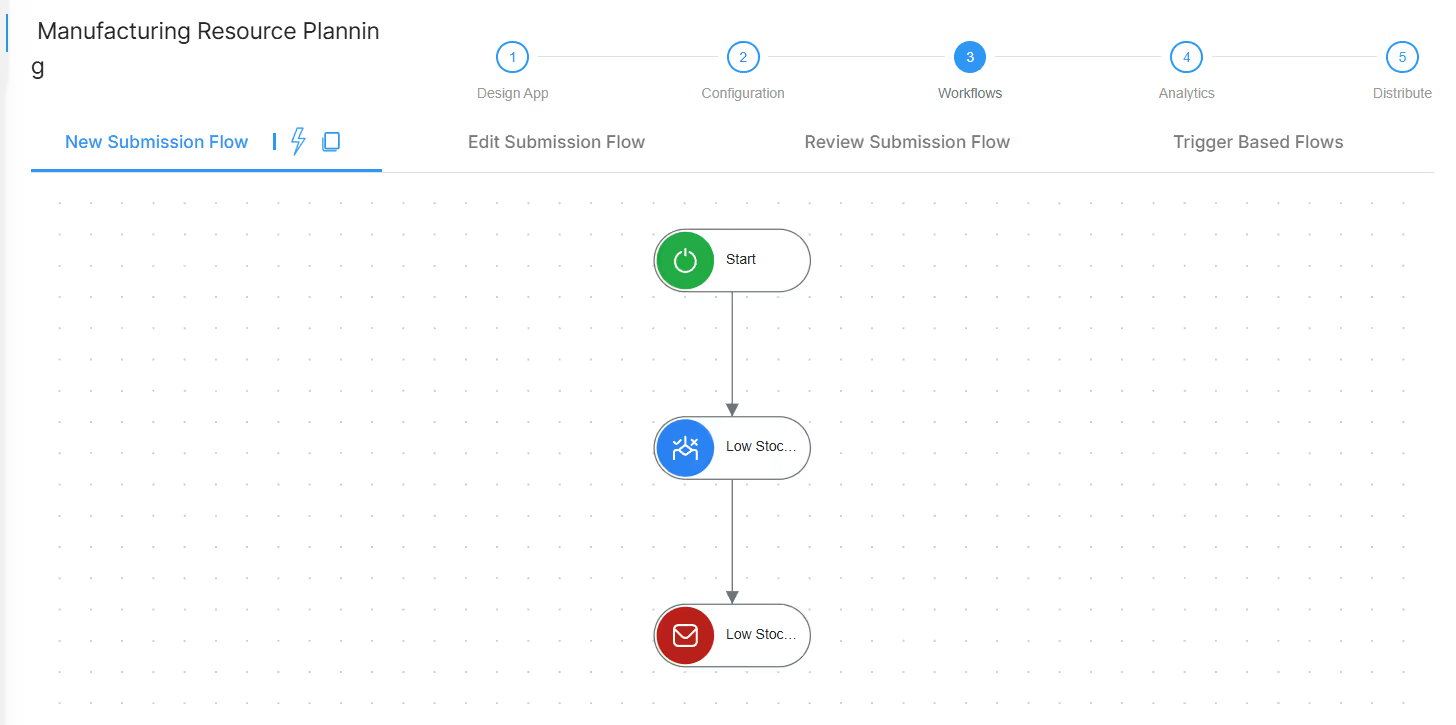
Workflow automation transforms manual processes into efficient digital workflows. When inventory reaches reorder points, the system automatically generates purchase requests. When quality inspections fail, approval workflows route issues to supervisors for immediate attention. Email notifications and WhatsApp messages keep stakeholders informed throughout production cycles.
Effective resource planning depends on accurate, timely data from across the manufacturing operation. Clappia enables comprehensive data collection through mobile and web interfaces that work seamlessly in production environments. Offline mode functionality ensures data capture continues even when connectivity is limited, with automatic synchronization once network access resumes.
Factory inspection applications standardize quality checks across shifts and locations. Inspectors use mobile devices to complete checklists, capture photographic evidence, and record measurements. The data flows immediately into centralized systems where supervisors monitor compliance and identify trends requiring corrective action.
Production reporting becomes effortless when operators can submit data directly from the shop floor. Time tracking and task logging provide accurate records of labor hours and production output. When issues arise, workers document problems with photos and descriptions, creating detailed incident records that support root cause analysis.
Live tracking capabilities extend visibility beyond the factory floor. Manufacturers can monitor delivery vehicles, field service technicians, and remote equipment in real-time. Route optimization reduces transportation costs while ensuring on-time deliveries to customers and suppliers.
Artificial intelligence transforms resource planning from reactive to predictive. Clappia's AI block integrates OpenAI, Claude, and Gemini models to extract insights from images, analyze text data, and generate intelligent recommendations. Quality inspection photos are automatically analyzed to detect defects, reducing the need for manual review.
AI workflow nodes enable sophisticated automation based on natural language processing. Maintenance requests submitted by operators are automatically categorized and prioritized. Production reports are summarized and routed to appropriate managers. The system learns from historical data to improve accuracy over time.
Demand forecasting benefits from AI analysis of sales patterns, seasonal trends, and external factors. The software generates production recommendations that balance inventory levels with anticipated demand, reducing both stockouts and excess inventory. Manufacturing teams make better decisions with data-driven insights rather than relying solely on intuition.
Anomaly detection identifies unusual patterns that might indicate equipment problems or process inefficiencies. When sensor data from machinery deviates from normal ranges, the system alerts maintenance teams before failures occur. Predictive maintenance reduces unplanned downtime and extends equipment lifespan.
Manufacturing operations rarely exist in isolation. Resource planning software must integrate with existing systems to provide complete visibility. Clappia offers REST API integrations that connect with ERP systems, accounting software, and specialized manufacturing applications. Data flows bidirectionally, eliminating manual data entry and ensuring consistency across platforms.
Database integration enables direct connections to MySQL, PostgreSQL, and Microsoft SQL Server systems. Manufacturers can query production databases, update inventory records, and retrieve real-time status information. This seamless integration ensures resource planning decisions are based on current operational data.
Google Sheets synchronization provides a bridge for teams transitioning from spreadsheet-based planning. Historical data imports easily, while new information flows automatically into collaborative sheets where teams can analyze trends and generate reports. The flexibility supports both structured and ad-hoc analysis.
Supplier portals and customer interfaces extend resource planning beyond organizational boundaries. External stakeholders submit orders, track shipments, and receive delivery confirmations through branded interfaces. White-labeled mobile apps provide professional customer experiences while maintaining data security and access controls.
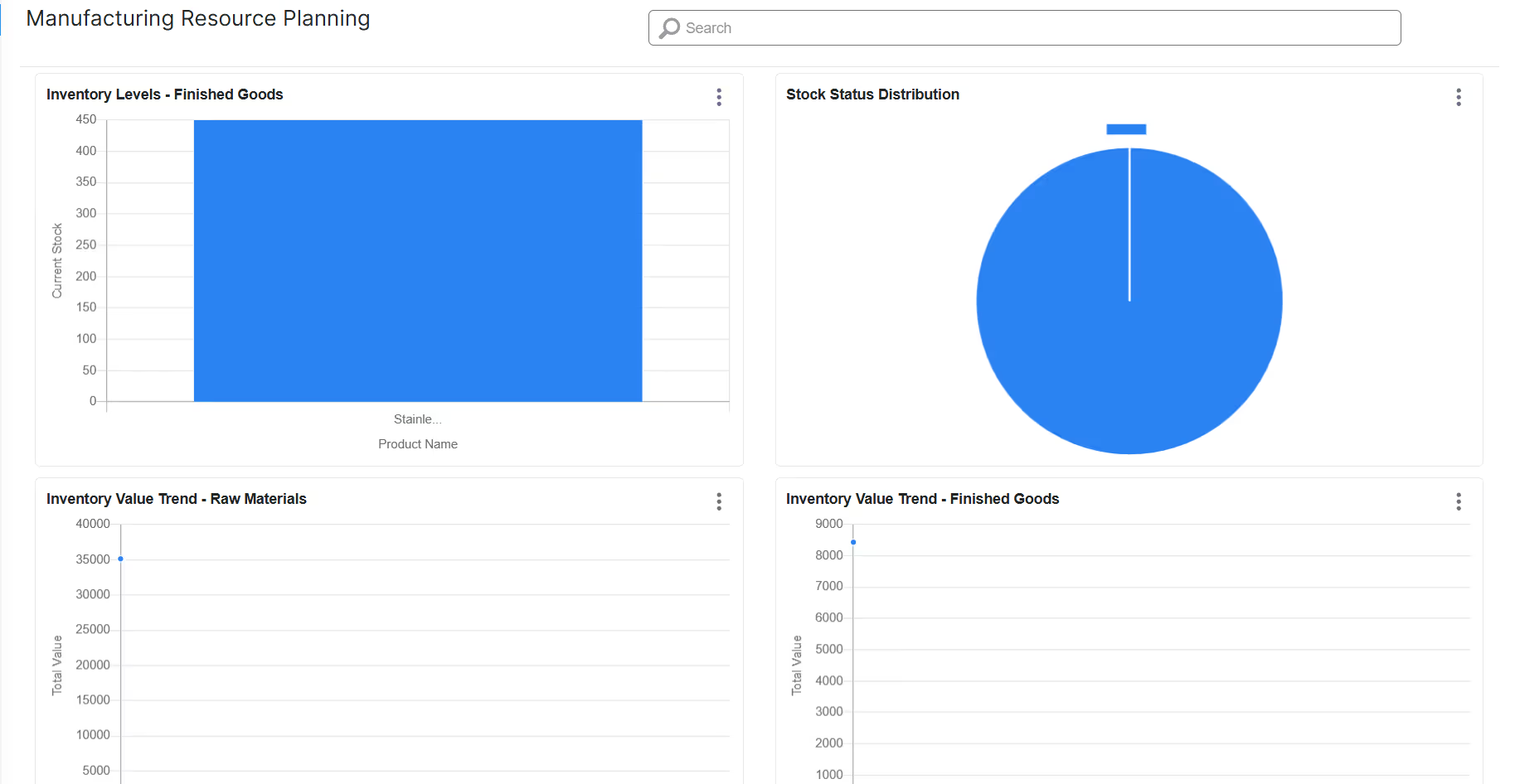
Raw data becomes actionable intelligence through comprehensive analytics capabilities. Clappia's dashboard features provide real-time visibility into key performance indicators. Production managers monitor machine utilization, order fulfillment rates, and quality metrics from centralized dashboards that update as events occur.
Bar charts, line graphs, and pie charts visualize trends and comparisons. Equipment downtime analysis reveals which assets require attention. Labor productivity reports identify training opportunities. Inventory turnover charts highlight slow-moving items that tie up working capital.
Automated reporting delivers scheduled updates to stakeholders without manual effort. Daily production summaries arrive in inboxes each morning. Weekly quality reports aggregate inspection data for management review. Monthly financial reports consolidate costs across materials, labor, and overhead for accurate profitability analysis.
Dynamic PDF generation creates professional documents from application data. Work orders, inspection certificates, and shipping documents are generated automatically with company branding. The system eliminates repetitive document creation while ensuring consistency and accuracy.
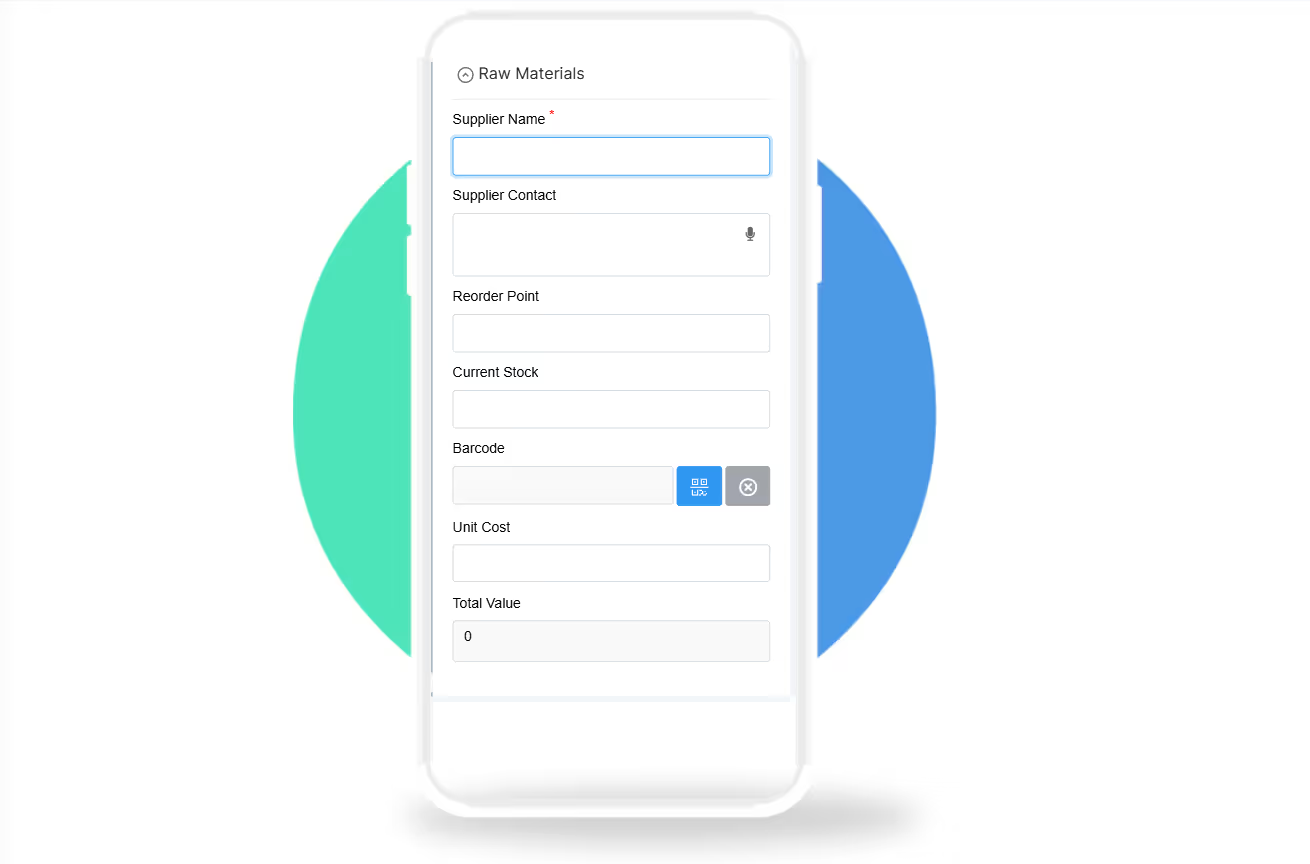
Shop floor workers need tools that work in their environment. Clappia's mobile applications for Android and iOS deliver full functionality on smartphones and tablets. Operators access applications without returning to desktop computers, reducing disruption and improving data accuracy.
Touch-optimized interfaces accommodate use with gloves and in challenging lighting conditions. Large buttons and clear typography ensure usability even in dusty, noisy manufacturing environments. Voice input capabilities enable hands-free data entry when workers are operating machinery or handling materials.
Signature capture enables digital approvals and verifications without paper forms. Quality inspectors sign off on checks, supervisors approve material releases, and delivery drivers obtain customer signatures—all captured electronically with timestamp and GPS location verification.
Photo and video documentation supports quality control and incident reporting. Workers capture images of defects, equipment issues, or safety hazards directly from mobile devices. The media uploads immediately, creating permanent records that support continuous improvement initiatives and regulatory compliance.
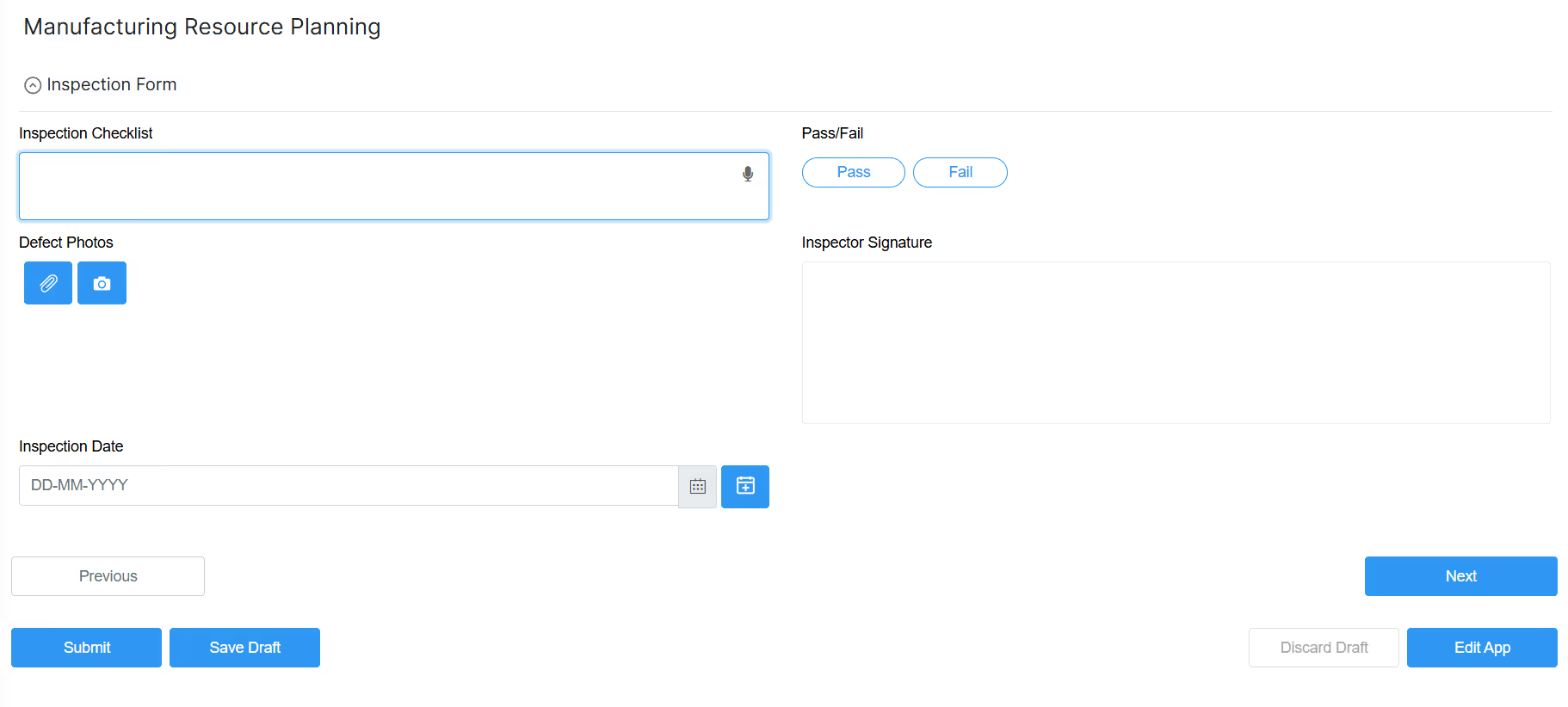
Manufacturing operations must maintain rigorous quality standards while meeting regulatory requirements. Quality inspection applications built on Clappia standardize inspection procedures across products, processes, and facilities. Inspectors follow defined checklists that ensure consistent evaluation criteria.
Nonconformance tracking documents quality issues from detection through resolution. Each defect receives a unique identifier that connects to corrective action plans, supplier communications, and final disposition decisions. Trend analysis identifies systemic issues requiring process improvements rather than isolated corrections.
Validation rules prevent errors at the point of data entry. Required fields ensure completeness, numeric ranges prevent typos, and conditional logic guides users through complex procedures. The system enforces data quality standards rather than relying on manual verification.
Audit trails maintain complete records of all activities, changes, and approvals. When regulators request documentation, manufacturers provide comprehensive evidence of compliance without searching through paper archives. Electronic signatures and timestamps prove when inspections occurred and who performed them.
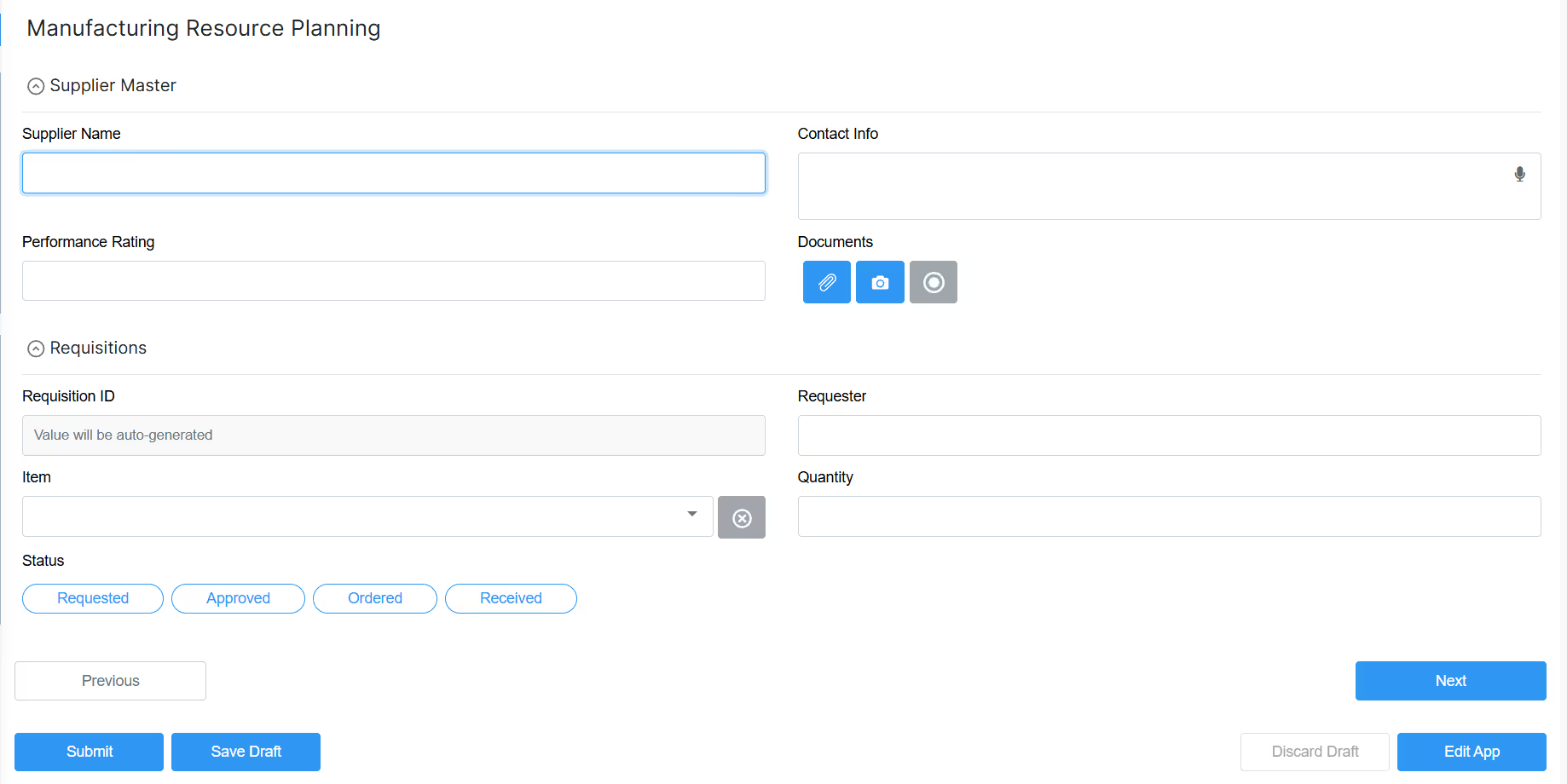
Efficient resource planning extends to supplier relationships. Vendor portals built on Clappia enable suppliers to view forecasts, submit quotations, and confirm delivery schedules. The transparency improves planning accuracy while reducing the administrative burden of phone calls and emails.
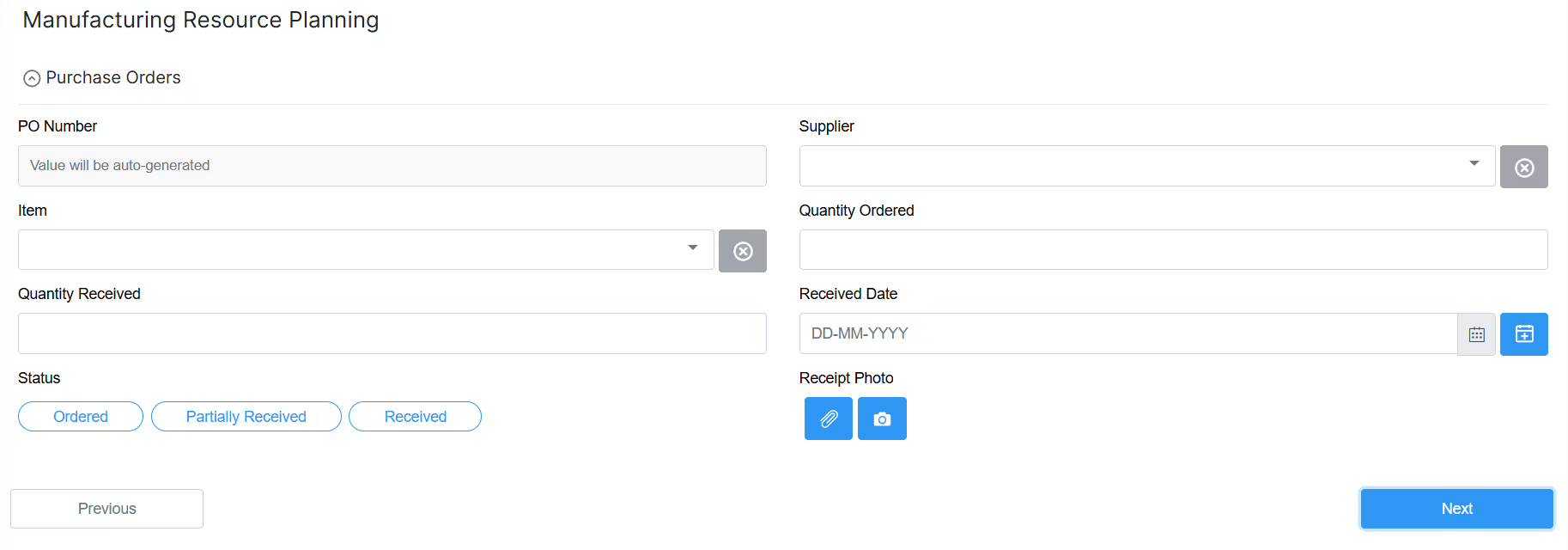
Purchase order management tracks requisitions from initial request through final receipt. Approvers review requests based on budget authority and material criticality. Multi-level approval workflows ensure appropriate oversight while maintaining speed for urgent requirements.
Receiving inspections verify that delivered materials meet specifications. Workers scan barcodes to match shipments with purchase orders, inspect quantities and quality, and update inventory records in real-time. Discrepancies trigger immediate supplier notifications, enabling rapid resolution before materials enter production.
Supplier performance metrics evaluate reliability, quality, and cost competitiveness. On-time delivery rates, defect rates, and price trends inform procurement decisions. Manufacturers maintain preferred supplier lists based on objective performance data rather than subjective assessments.
Optimizing production schedules requires balancing multiple constraints. Available capacity, material availability, customer deadlines, and changeover times all influence scheduling decisions. Clappia enables planners to model different scenarios, evaluating trade-offs before committing to specific plans.
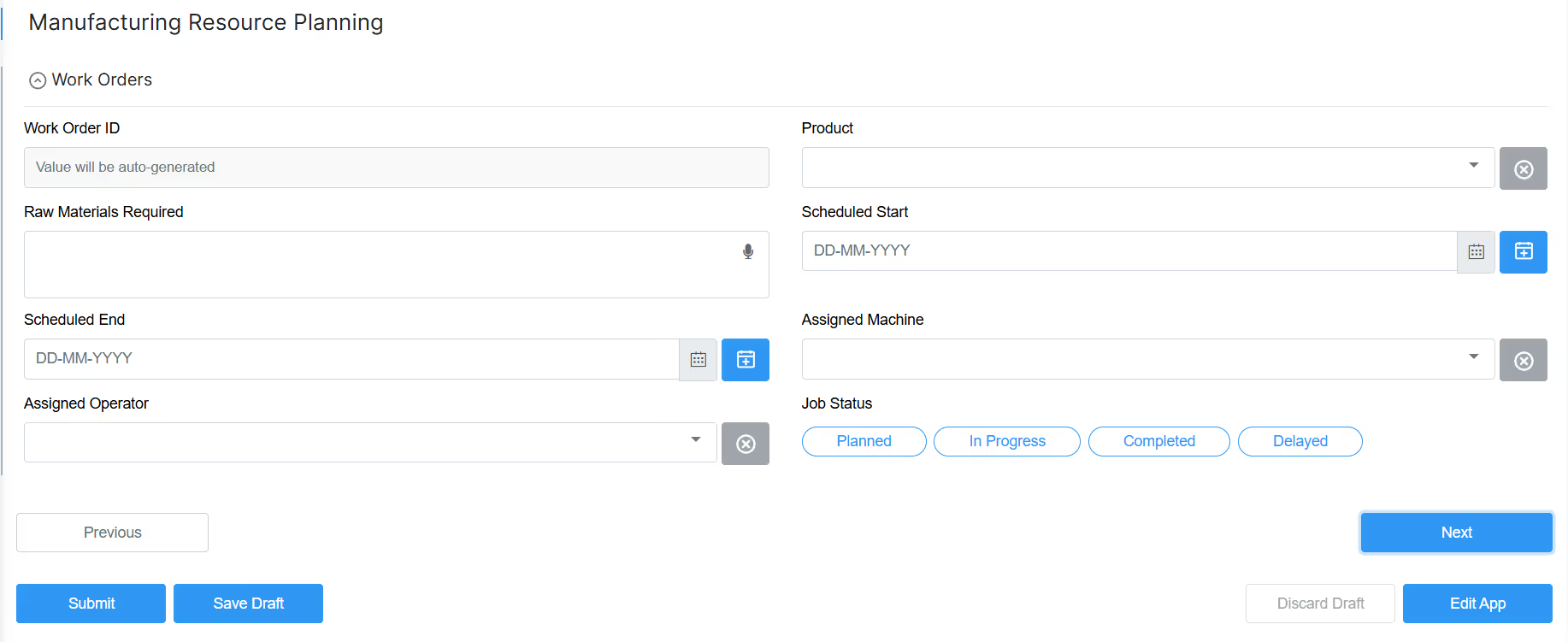
Work order management sequences operations through production stages. Each order tracks materials consumed, labor hours expended, and quality checks performed. Real-time status updates show where orders are in the process, enabling accurate delivery date estimates for customers.
Capacity utilization analysis identifies bottlenecks that limit throughput. When specific equipment or work centers operate at maximum capacity, planners can evaluate options for increasing output—whether through additional shifts, equipment investments, or process improvements. The data supports capital allocation decisions with quantified business cases.
Changeover optimization reduces time lost when switching between products. The system tracks setup requirements for different product combinations, suggesting production sequences that minimize changeovers. Batch sizing analysis balances setup costs against inventory carrying costs to determine optimal production quantities.
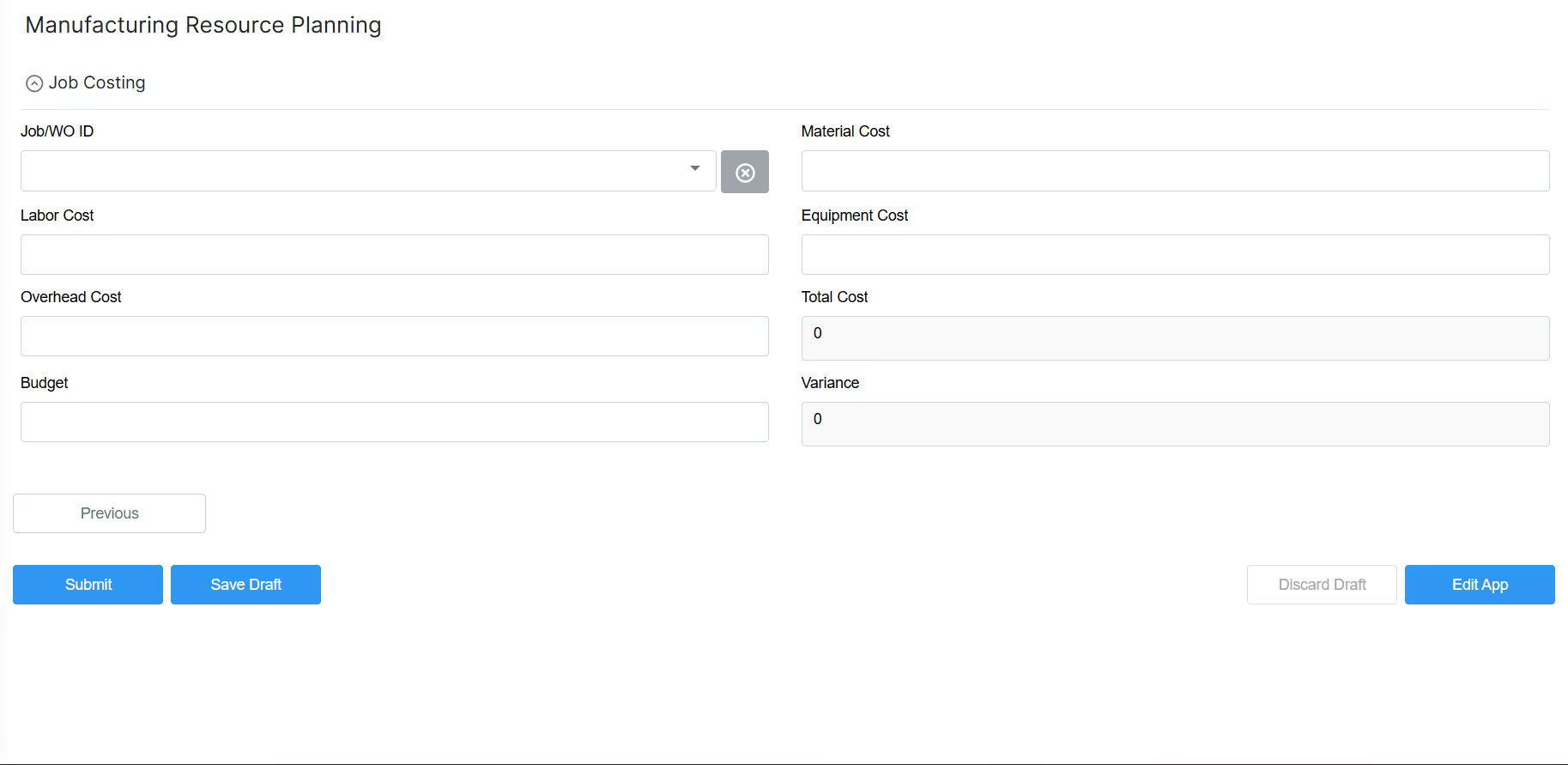
Resource planning directly impacts manufacturing profitability. Material costs, labor expenses, equipment depreciation, and overhead allocation all flow through resource planning decisions. Clappia provides visibility into these cost drivers, enabling managers to optimize financial performance.
Job costing tracks all expenses associated with specific orders or projects. Direct materials, direct labor, and allocated overhead accumulate as production progresses. Actual costs compare against estimates, highlighting variances that require investigation. Profitability analysis by customer, product, or project guides pricing and resource allocation strategies.
Waste reduction initiatives benefit from detailed material tracking. Scrap rates by product, operator, or shift reveal where improvements are needed. Root cause analysis of material losses leads to process refinements that directly improve margins. The financial impact of waste reduction initiatives is quantified with precise measurements.
Budget management features prevent overspending across departments and cost centers. When expenses approach limits, automated alerts notify managers before overruns occur. Historical spending patterns inform future budgets, replacing guesswork with data-driven forecasting.
Manufacturing expertise resides in the workforce. Resource planning software should capture and distribute this knowledge, reducing dependence on tribal knowledge. Clappia enables creation of training checklists and competency tracking that standardize onboarding and skill development.
Standard operating procedures embedded within applications ensure consistency across shifts and locations. Workers access step-by-step instructions with photos and videos that demonstrate correct techniques. Updates propagate instantly to all users, eliminating outdated paper procedures that lead to errors.
Skills matrices track employee certifications and training completion. Supervisors assign tasks to qualified workers, preventing mistakes that occur when inexperienced employees attempt complex operations. The system identifies skill gaps that require training investments to support production requirements.
Continuous improvement initiatives capture employee suggestions and innovation. Workers submit improvement ideas through mobile apps, documenting problems they encounter and proposed solutions. Management reviews suggestions, implements changes, and recognizes contributors, fostering a culture of operational excellence.
Growing manufacturers need software that scales with their operations. Clappia supports expansion from single facilities to multi-site enterprises without requiring platform changes. Role-based access controls ensure users see only relevant information while maintaining data security across the organization.
Template applications accelerate deployment to new facilities. Best practices developed at one location replicate to other sites with minor customizations for local requirements. Consistent processes across locations improve quality and efficiency while maintaining flexibility for site-specific needs.
Centralized visibility across distributed operations enables coordinated planning. Corporate planners view aggregate capacity, inventory positions, and order backlogs across all facilities. Transfer orders move materials between locations to balance inventory and meet customer requirements efficiently.
Multi-currency and multi-language support accommodates global operations. Local teams work in their preferred languages while financial data consolidates in the corporate currency. International compliance requirements are managed through configurable validation rules and reporting templates.
Implementing resource planning software doesn't require lengthy consulting engagements or custom development projects. Clappia's no-code platform enables manufacturing teams to start building immediately without specialized technical skills.
The drag-and-drop interface uses familiar concepts that production planners and operations managers understand instuitively. Pre-built templates provide starting points for common manufacturing applications—inventory management, quality inspections, maintenance scheduling, and production reporting. Customization transforms these templates into solutions that match specific operational requirements.
Free plans support unlimited applications, enabling manufacturers to experiment with different approaches before committing to paid features. As needs expand, professional plans add capabilities like white-labeled mobile apps, increased submission limits, and premium integrations. The pricing model scales with usage, ensuring cost-effectiveness at every stage of growth.
Training and support resources accelerate implementation. Video tutorials, comprehensive help documentation, and an active community forum provide assistance when questions arise. Scheduled demos showcase capabilities and answer specific questions about manufacturing use cases.
Manufacturers evaluating resource planning software often compare multiple platforms. Traditional ERP systems offer comprehensive functionality but require significant investment in licensing, hardware, and implementation services. The complexity often results in limited user adoption and lengthy time-to-value.
Specialized manufacturing execution systems (MES) provide deep shop floor capabilities but may lack flexibility for customization. Integration with other business systems becomes an ongoing challenge, requiring middleware and custom coding. The total cost of ownership exceeds initial software costs significantly.
Spreadsheet-based resource planning offers familiarity but lacks scalability and reliability. Version control problems, formula errors, and limited collaboration capabilities create operational risks. As manufacturing operations grow, spreadsheet limitations become increasingly problematic.
Clappia delivers the best of all approaches—comprehensive functionality, deep customization, and rapid deployment—through its no-code platform. Manufacturing teams control their applications, modifying workflows and adding features as requirements evolve. The platform provides enterprise-grade capabilities at transparent, usage-based pricing.
Efficient resource planning software transforms manufacturing operations from reactive to proactive. Real-time visibility into resources enables better decisions about production schedules, inventory levels, and workforce allocation. Automation reduces manual effort while improving accuracy and consistency. Analytics reveal opportunities for continuous improvement and cost reduction.
Clappia empowers manufacturing teams to build custom solutions that match their unique operational requirements. The no-code platform accelerates deployment while maintaining flexibility for future enhancements. Mobile-first design ensures usability in demanding manufacturing environments. Comprehensive integration capabilities connect resource planning with existing business systems.
Manufacturers who implement intelligent resource planning gain competitive advantages through improved efficiency, reduced waste, and enhanced agility. The investment in digital transformation pays dividends through lower operational costs and improved customer satisfaction. Explore Clappia's capabilities and discover how efficient resource planning software can revolutionize your manufacturing operations.
Start Building Today: Sign up for free and create your first manufacturing resource planning application in minutes.


L374, 1st Floor, 5th Main Rd, Sector 6, HSR Layout, Bengaluru, Karnataka 560102, India
3500 S DuPont Hwy, Dover,
Kent 19901, Delaware, USA


.svg)




3500 S DuPont Hwy, Dover,
Kent 19901, Delaware, USA
L374, 1st Floor, 5th Main Rd, Sector 6, HSR Layout, Bengaluru, Karnataka 560102, India